

When someone types “drug and alcohol rehabs near me” into Google, it usually isn’t a casual search. It’s a late-night moment of honesty. It’s a scared family member at the kitchen table. It’s a person who’s tried to quit alone more times than they can admit.
If you’re in or around Albuquerque and you’ve found your way here, you’re probably wondering:
How do I know which New Mexico rehab is actually right for me or my loved one?
Below is a straightforward, local guide to understanding your options, what to look for, and how a program like Turning Point Recovery Center in Albuquerque, New Mexico, can fit into that picture.
What people really mean by “rehab near me” searches
Most people don’t start with technical terms like “ASAM levels of care” or “co-occurring disorders.” They type whatever feels most urgent:
- rehab near me
- alcohol rehab Albuquerque
- detox near me
- help for my son on drugs
Underneath that, they’re usually asking a few core questions:
- Is there a safe place that can help us right now?
- Will the people there actually understand what we’re going through?
- What happens after those first few days?
- Can we afford it?
National organizations like the American Society of Addiction Medicine (ASAM) and the Substance Abuse and Mental Health Services Administration (SAMHSA) describe effective addiction care as a continuum—not just a single program, but linked levels of support over time.
A good rehab should help you move through that continuum safely, not just promise a bed and a quick fix.
The basic building blocks of treatment
The most effective “drug and alcohol rehabs near me” offer several core services that cover different stages of recovery. At Turning Point, that continuum includes detox, residential treatment, outpatient (including IOP), sober living, medication services, a wellness center, and family support.
This fits with what federal research agencies like the National Institutes of Health (NIH) and its institutes (including the National Institute on Aging (NIA), which looks at health and addiction across the lifespan) emphasize: long-term recovery is most successful when care is coordinated, evidence-based, and sustained over time.
Here’s what those pieces look like in real life.
1
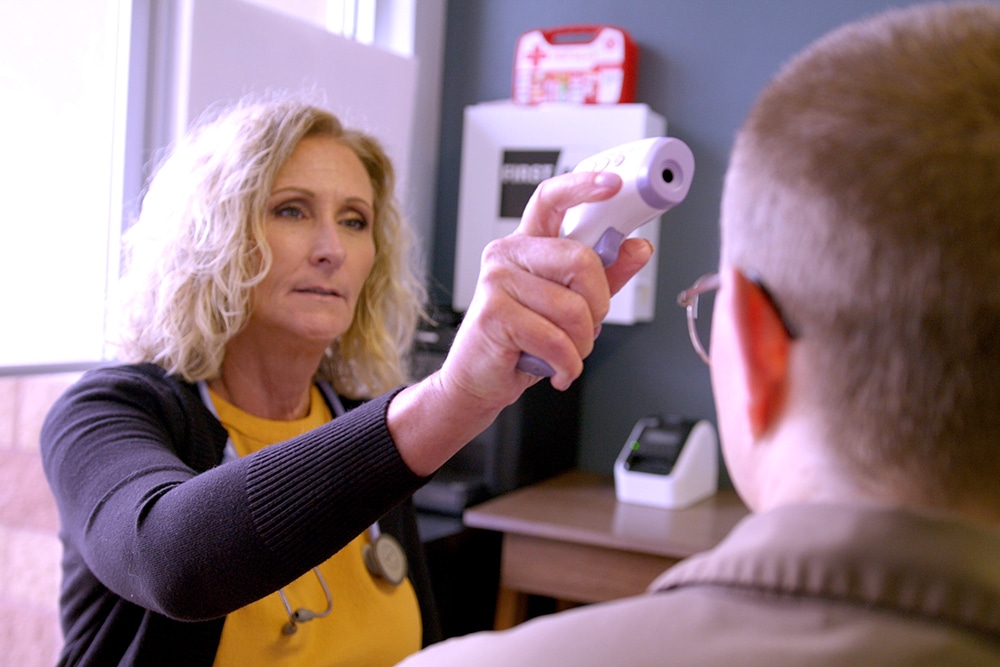
Medical detox: first things first—safety
If someone is using heavily—especially alcohol, opioids, benzodiazepines, or multiple substances—the first step is usually detox.
A strong detox program will offer:
- 24/7 medical management
- Medications to ease withdrawal and cravings
- A quiet, private environment
- Collaboration with the rest of the treatment team on “what’s next”(Turning Point Recovery Center)
Detox is not where you “fix” addiction. It’s where you stabilize, get your body out of crisis, and clear enough space in your mind to actually benefit from therapy and support.
At Turning Point, detox is designed to be medically supervised and as comfortable as possible, with planning for the next level of care built in before you walk out the door.

2
Residential treatment: stepping away from the chaos
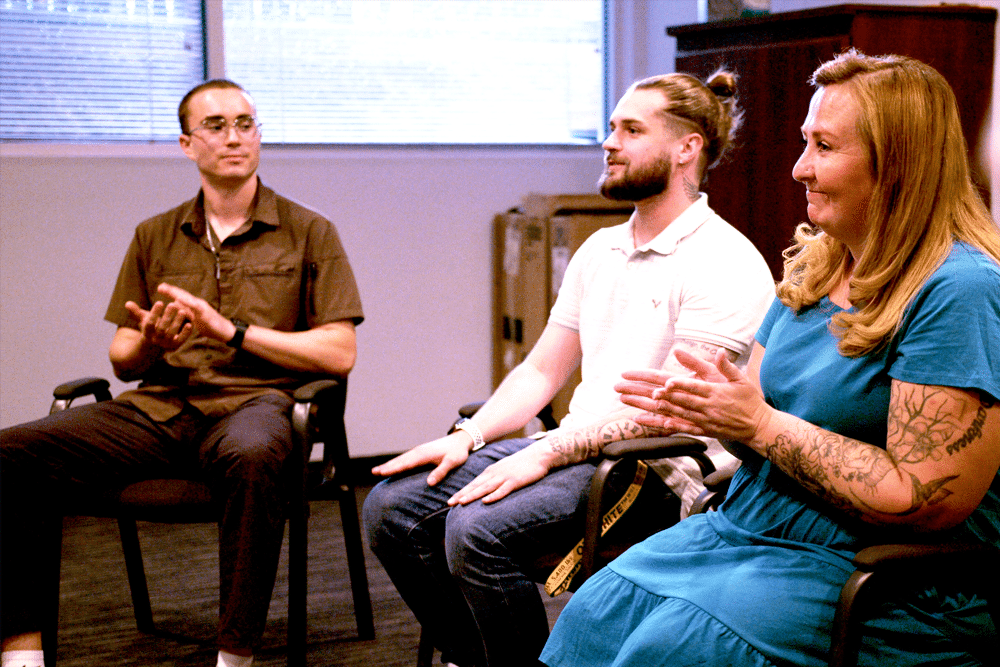
Once withdrawal is under control, many people benefit from a period of residential (inpatient) treatment. That means living at a treatment center for a while, instead of trying to patch recovery into the cracks of a life that’s still on fire.
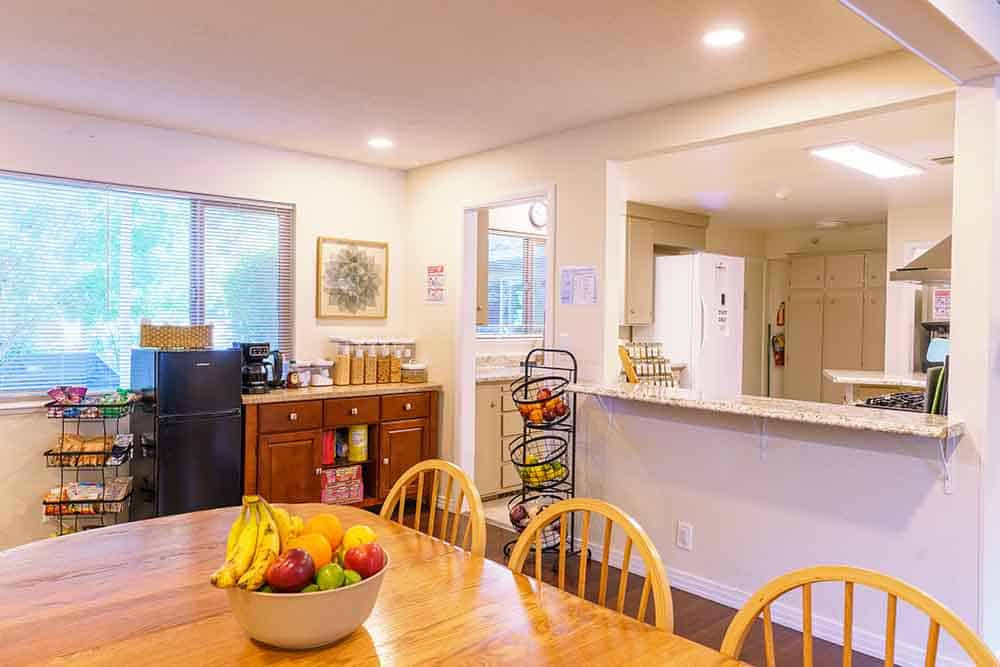
In Albuquerque, Turning Point offers separate residential programs for men and women in quiet neighborhood homes rather than institutional buildings. The focus is on safe, clean, calm environments where people can actually breathe.
Residential treatment is where people start building the day-to-day habits of recovery:
- Group therapy for connection and accountability
- Individual counseling to work through trauma, grief, shame, and mental health issues
- Education about addiction and the brain
- Relapse-prevention planning
- Peer support that feels like real people, not lectures
When people talk about a rehab that “changed my life,” they’re often talking about this phase—the time and space to step back from everything and relearn how to live.
3
Outpatient and IOP: recovery while you live your life
Not everyone needs residential care, and even for those who do, it’s not meant to last forever. Eventually, you have to walk back into the world—work, family, bills, the same city where you used.
That’s where outpatient treatment and Intensive Outpatient Programs (IOP) come in.
At Turning Point, the IOP is designed for people who need a structured, evidence-based approach to substance use recovery while maintaining daily responsibilities like work or school. Clients attend multiple group sessions per week, with individual counseling woven in, so they can test their new skills in real life and come back to process what happens.
This level of care is ideal if:
- You’re medically stable and not in active withdrawal
- You have at least a reasonably safe place to live
- You’re ready to practice new coping skills and talk honestly about slips, cravings, and stress
Organizations like SAMHSA offer national guidance on how outpatient and IOP fit into a full continuum of care, and they maintain resources like to help people across the country find similar services.
4
Sober living: a bridge between rehab and home
For some people, going straight from a residential program back to their old living situation is simply too risky—especially if there’s ongoing substance use, domestic conflict, or no stable housing.
Sober living homes (recovery residences) offer a middle ground:
- Substance-free housing
- A live-in house manager and full-time peer mentor
- Curfews, house expectations, and drug testing
- Mutual support and accountability with others in early recovery
Turning Point’s Sober Living Housing provides structured, affordable recovery housing for people transitioning from treatment to more independent living, often while they continue in IOP and attend AA/NA or other recovery groups.
It’s a way to learn how to live sober in the real world—without being thrown straight back into the exact environment that helped fuel the addiction in the first place.
5
Medication, wellness, and family support: the often-missing pieces
A lot of people picture “rehab” as nothing but groups and a few individual sessions. But long-term recovery usually requires whole-person care:
- Medication management for substance use and mental health, including Medication-Assisted Treatment (MAT) for opioid and alcohol use disorders when it’s clinically appropriate.
- A dedicated Wellness Center where clients work on health, nutrition, movement, stress, and sleep with a recovery lens.
- Family support services that help loved ones understand addiction, set healthy boundaries, and rebuild trust over time.
Many of these approaches line up with national guidance and research from NIH and its institutes, as well as clinical frameworks promoted by ASAM and educational standards supported by NAADAC, the Association for Addiction Professionals.
At Turning Point, counselors and clinical staff are expected to keep up with evolving best practices, ethics, and continuing education—mirroring the kind of professional development that ASAM and NAADAC emphasize for addiction professionals nationwide.

“But does any of this actually work?”
It’s a fair question. Plenty of people have been to treatment more than once. Many families have been burned by programs that overpromised and under-delivered.
Turning Point has been operating since 2010 and describes itself as “New Mexico’s leader in providing safe, effective, and evidence-based treatment for those who struggle with substance use and co-occurring disorders,” with thousands of individuals served across detox, residential, outpatient, and recovery housing.
You can see some of that impact in the public feedback: pages of Google reviews from former clients and families talk about staff who “spoiled” them in the best way, programming that is “the best I’ve ever been to,” and people who say they would likely not be alive without going through Turning Point’s detox, RTC, and IOP.
No ethical program will promise a cure. Recovery is ongoing. But when you combine:
- Evidence-based clinical care
- A full continuum of levels of care
- Trained, credentialed staff
- Nationally informed standards (ASAM, SAMHSA, NIH)
- Real-world testimonials from clients
…you start to see a pattern that is very different from a quick-fix, one-size-fits-all rehab model.
How to decide if a rehab is the right fit (in practical terms)
If you’re comparing options in Albuquerque or elsewhere, here are a few down-to-earth questions to ask when you call:
- “What levels of care do you offer, and how do you decide which one is right for me?”
You’re listening for a thoughtful assessment process, ideally grounded in something like the ASAM Criteria, not just “we put everyone into the same track.” - “How do you handle co-occurring mental health issues like anxiety, depression, PTSD, or bipolar disorder?”
If the answer is vague, that’s a red flag—especially given what research from NIH and SAMHSA shows about how common co-occurring disorders are. - “What does a typical day look like in your detox? In your residential program? In IOP?”
You should hear specifics: groups, individual sessions, medical check-ins, downtime. - “What happens after I finish? Do you help with housing, aftercare, and follow-up?”
Good programs think beyond discharge day and help connect clients to ongoing resources and community supports. - “Do you accept my insurance or Medicaid, and can someone help me understand my benefits?”
At Turning Point, most common insurance plans are accepted, and the team works directly with families to help them understand coverage and possible financial assistance.
The way staff answer these questions often tells you as much as the content of the answers. Do you feel rushed—or genuinely heard? Pushed—or guided?
If you’re searching “rehab near me” from Albuquerque right now
If you’re in the Albuquerque area and you’re reading this, you don’t have to keep researching by yourself for the rest of the night.
Turning Point Recovery Center has been providing evidence-based, compassionate treatment for substance use and co-occurring disorders in New Mexico since 2010, with a full continuum that includes:
- Medical detox
- Men’s and women’s residential programs
- Intensive outpatient (IOP) and other outpatient services
- Sober living housing
- Medication management (MAT)
- A dedicated wellness center
- Relapse prevention and family support
If you’re ready to talk to a real person about what you or your loved one might need, you can call 505-217-1717 and speak with an admissions specialist who will walk you through options, answer your questions, and help you decide on the next right step for your situation.
No pressure. No judgment. Just a conversation about where you are now—and where you’d like your turning point to be.
CALL NOW
505-217-1717
We're here to help.
We'll help you get on the best path forward in your recovery journey.
Most insurance plans, including Medicaid, are accepted.
